Safety Spotlight: Confined Space Safety Aboard Ships
Working aboard ships presents a unique set of challenges, especially when entering confined spaces below deck. Whether performing tank cleaning, inspections, maintenance, or repairs, these areas can quickly become hazardous if proper safety procedures are not followed.
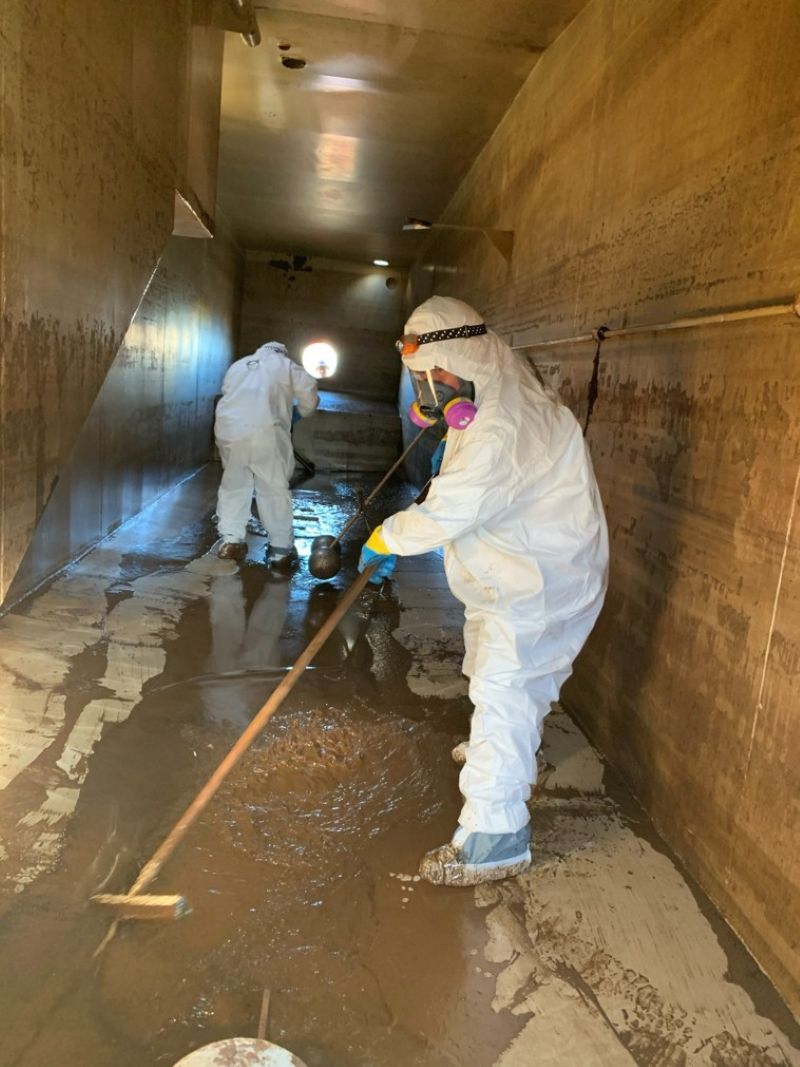
Confined spaces on ships—such as ballast tanks, fuel tanks, voids, cofferdams, and other enclosed compartments—often have limited access, restricted ventilation, and the potential for hazardous atmospheres. Oxygen-deficient air, toxic gases, flammable vapors, and changing environmental conditions can all pose serious risks to workers.
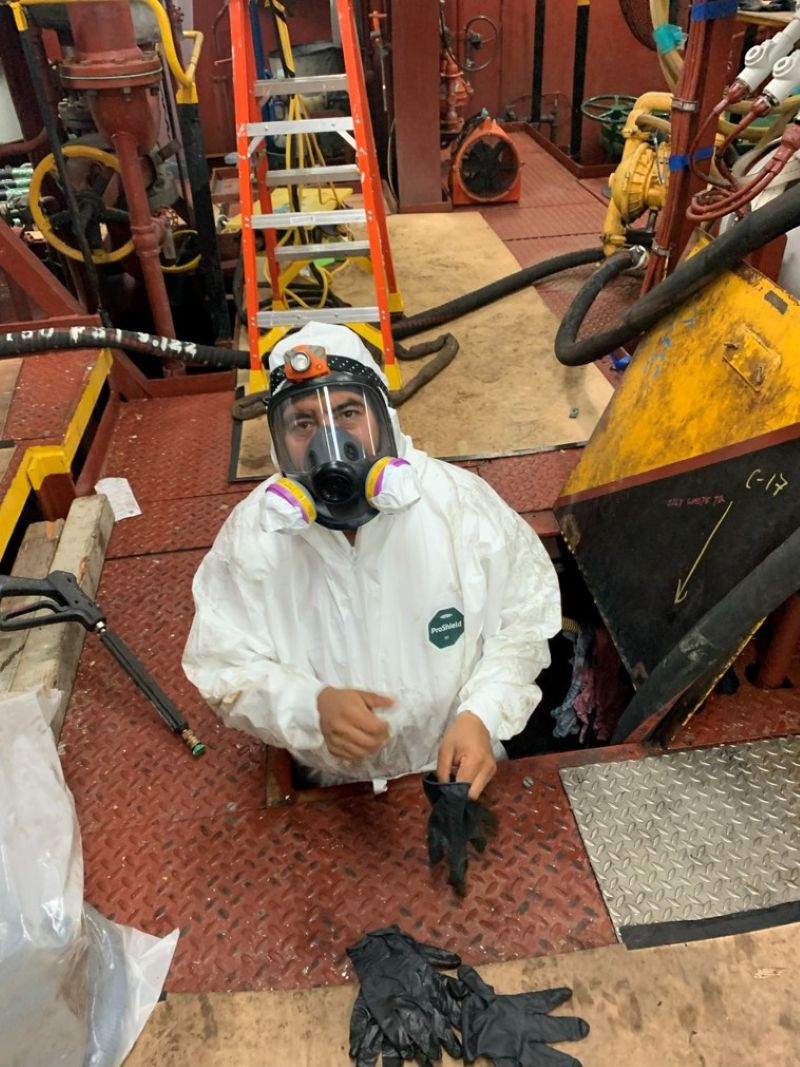
Before entering any confined space, the area must be thoroughly evaluated. Atmospheric testing should always be conducted to verify safe oxygen levels and ensure the absence of dangerous gases or vapors. Continuous air monitoring and proper mechanical ventilation are essential whenever conditions could change during the job.
Communication is another critical component of confined space safety aboard ships. Every entry should have a trained attendant stationed outside the space, maintaining constant communication with personnel inside and prepared to respond in the event of an emergency. Rescue procedures should be established before work begins, and all employees involved must understand their roles and responsibilities.
Shipboard work also presents additional hazards, including narrow passageways, changing vessel conditions, electrical systems, piping networks, and limited escape routes. Good housekeeping, proper lighting, and maintaining clear access to exits help reduce the risk of slips, trips, falls, and delayed evacuations.
At Bayview, safety is our highest priority. Every confined space entry is approached with careful planning, thorough hazard assessments, and strict adherence to established safety procedures. By taking the time to prepare, communicate, and follow best practices, we help ensure that every employee returns home safely after every shift.
Photo Gallery